
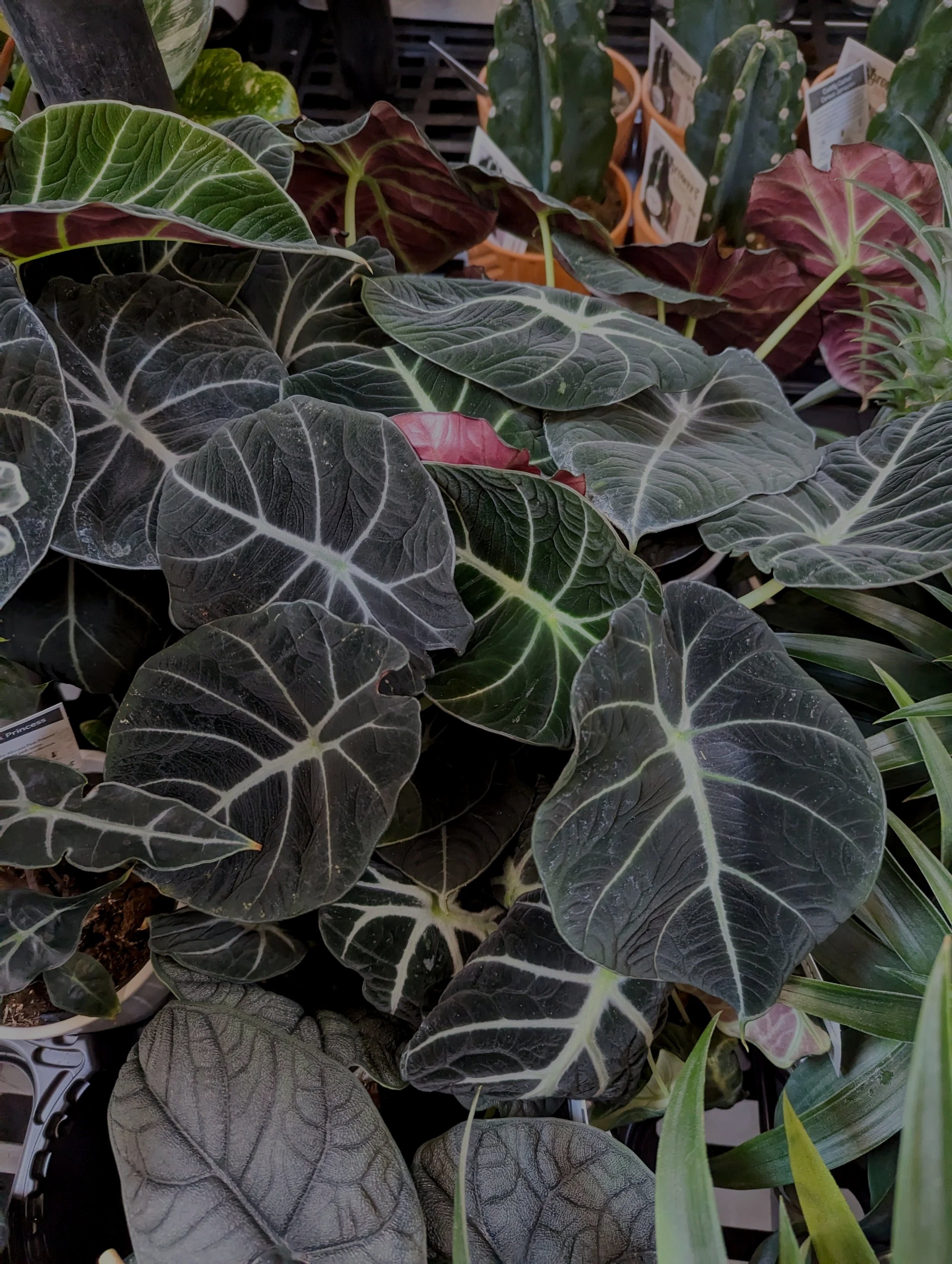
Alocasia
Alocasia
__________________
Scientific Name(s):
Alocasia spp. - there are many
Common Name(s):
Alocasia, Colocasia, Elephant Ear
__________________
Water:
Bushy
Difficulty:
Medium - Hard
Growth:
Props:
Corms
High
Light:
Medium
Humidity:
Medium - High
Pests:
Spider Mites, Mealy Bugs, Scale
Quirks:
Need to be grown in Semi-Hydro to really thrive outside a humidity cabinent
Light Levels
______________
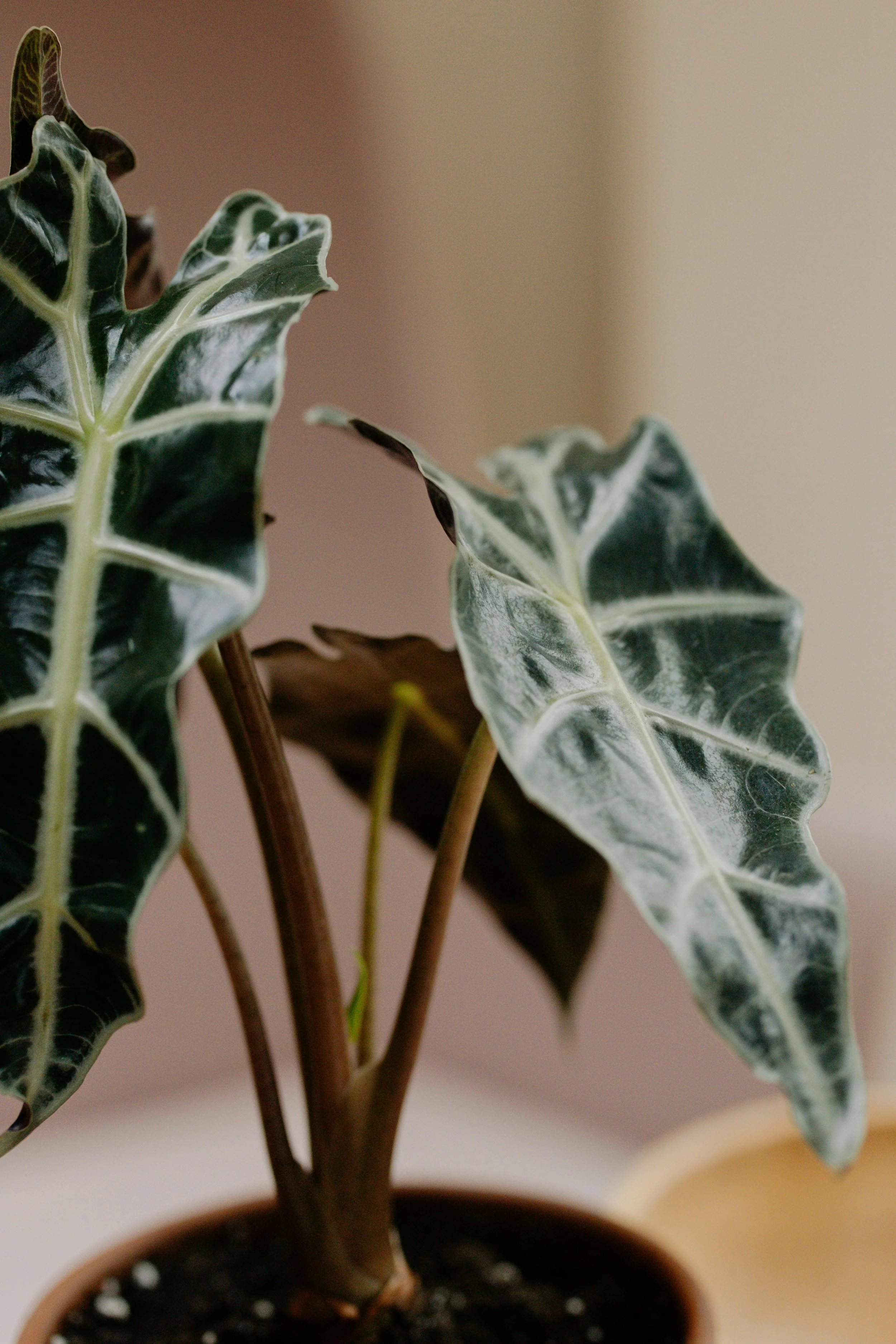
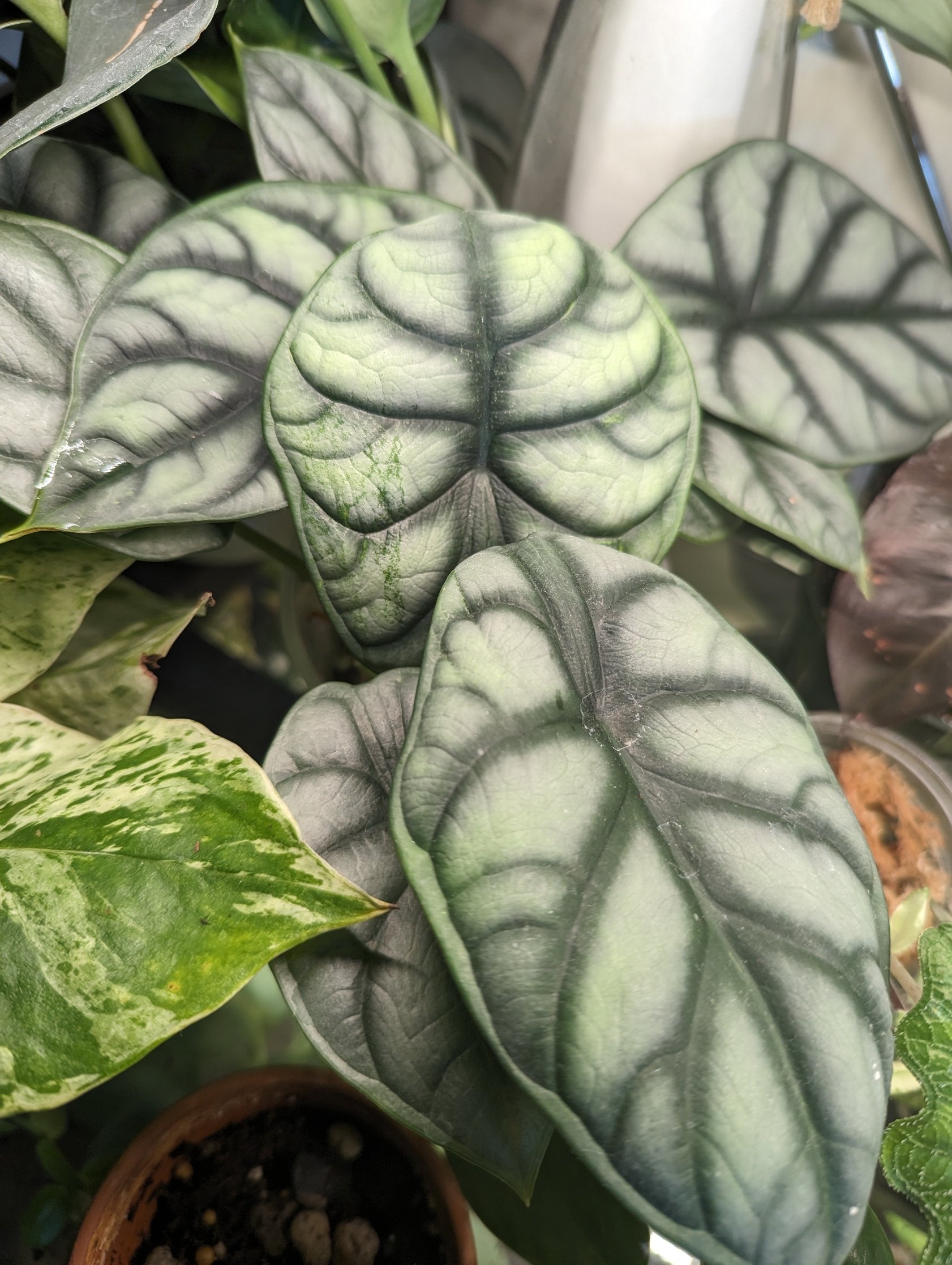
Alocasias prefer a solid Medium Light. They really slow down in Low Light, and High Light can easily burn them.
Next to a South facing window or in an East facing window would work for them.
I have all my Alocasias under Grow Lights and I have found they do the best there. Check out my Lighting Page to learn more about the specific Grow Lights I use!
Growth & Propagation
______________
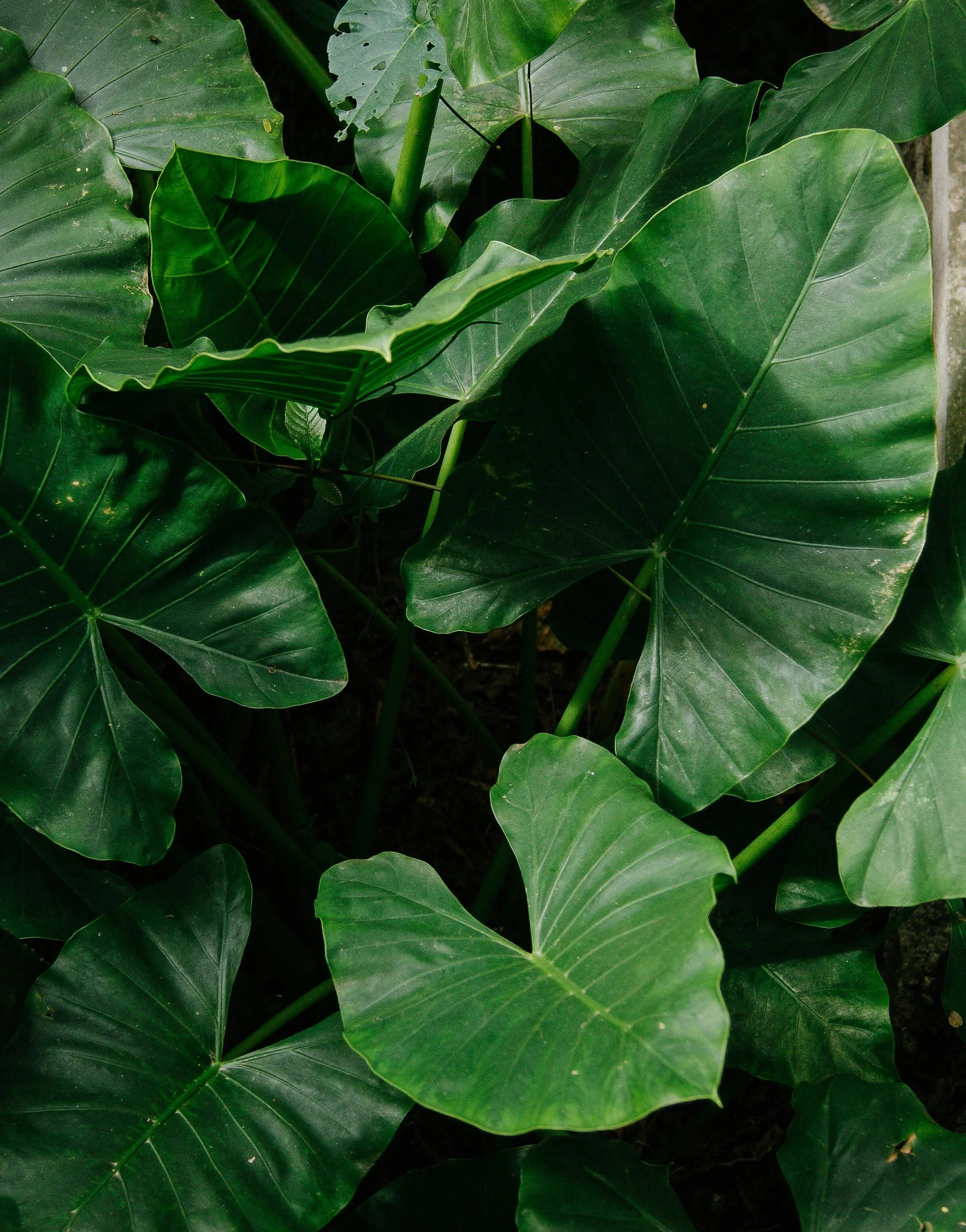
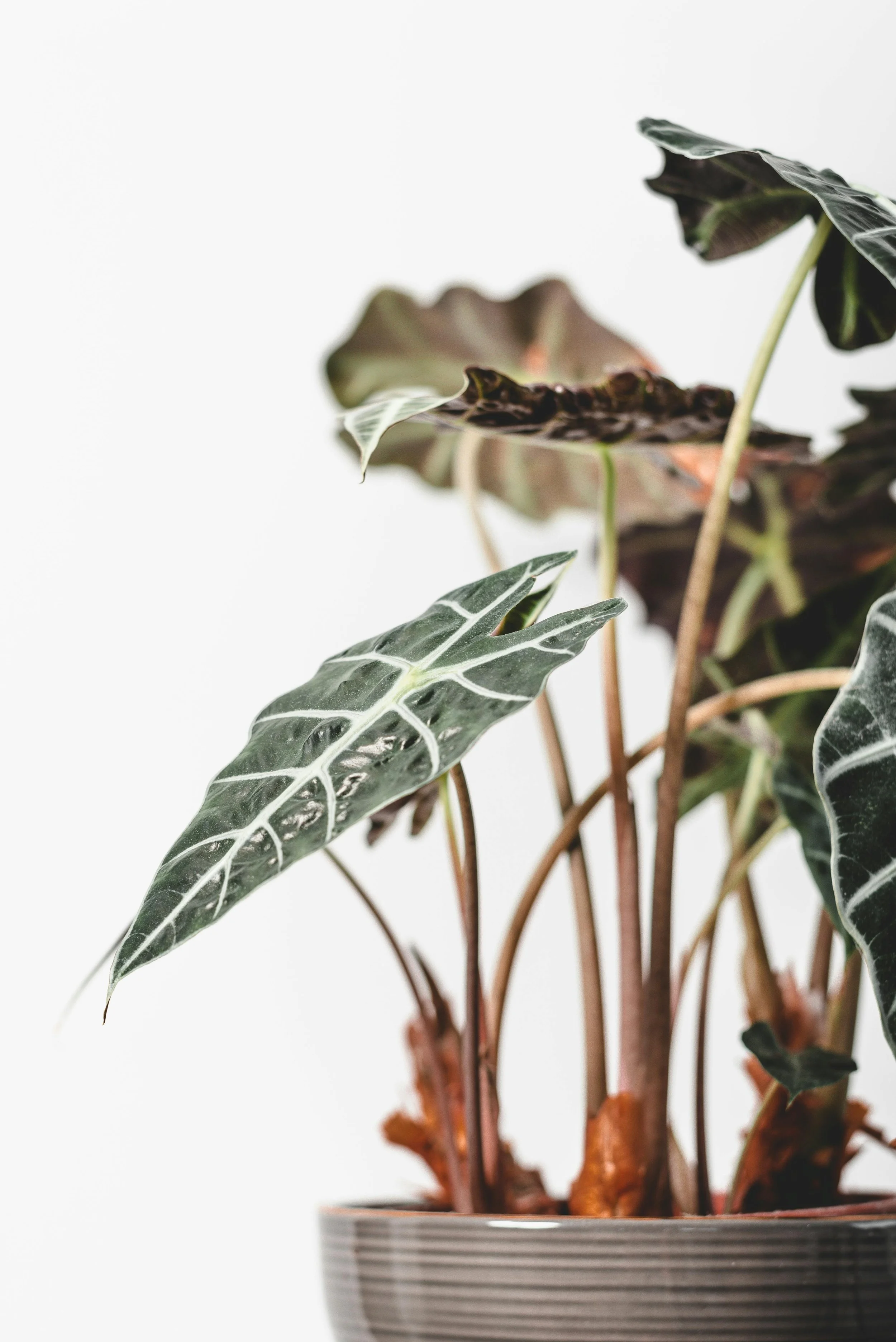
Alocasias have a bushy growth habit. All their stems come from one, central bulb called a Corm.
As they grow, they will send off underground shoots called Rhizomes, which will produce new Corms where new shoot will emerge.
These new Corms are also how you propagate your Alocasias.
When repotting one, you can separate the extra Corms from the mother plant and repot them in a new pot. Just make to place them upright with the pointy side facing upwards.
Pest Strategies
______________
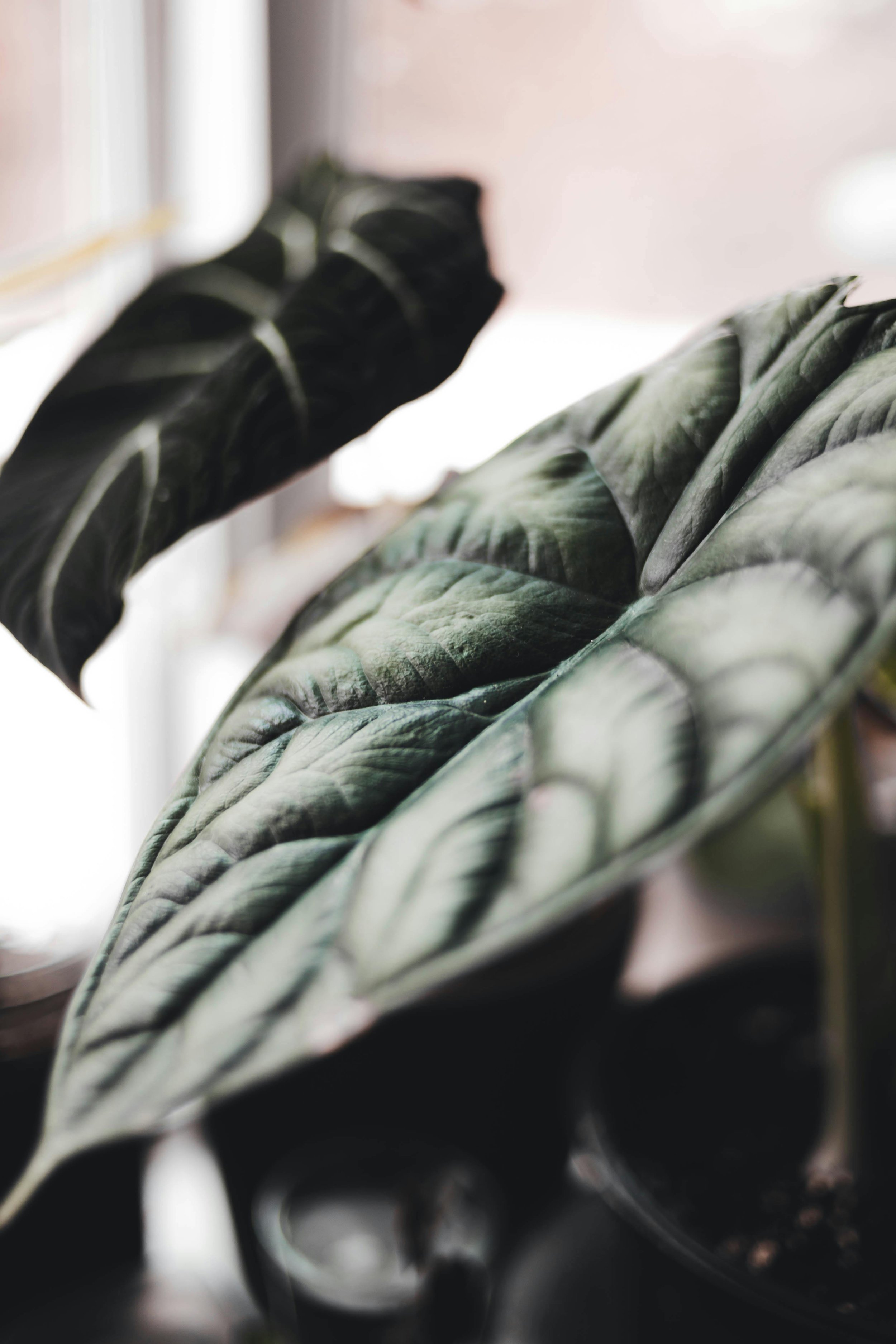
One of the biggest pests for Alocasias is Spider Mites. The Alocasia leaves dry out quickly, which is why they require so much humidity. These dry leaves are the perfect place for Spider Mites to hang out. But don’t worry, they are easily taken care of! Just make sure to splash water on the leaves any time you water you Alocasias and that will keep those pesky Mites at bay.
Alocasias can also attract Mealy Bugs and Scale if there are other infested plants nearby. Just keep your Alocasias separated from any plants that have these pests and your Alocasias should be fine!
But if you do happened to be dealing with Mealy Bugs or Scale, feel free to check out my Pest page for specific strategies to deal with each!
Growing Semi-Hydro
______________
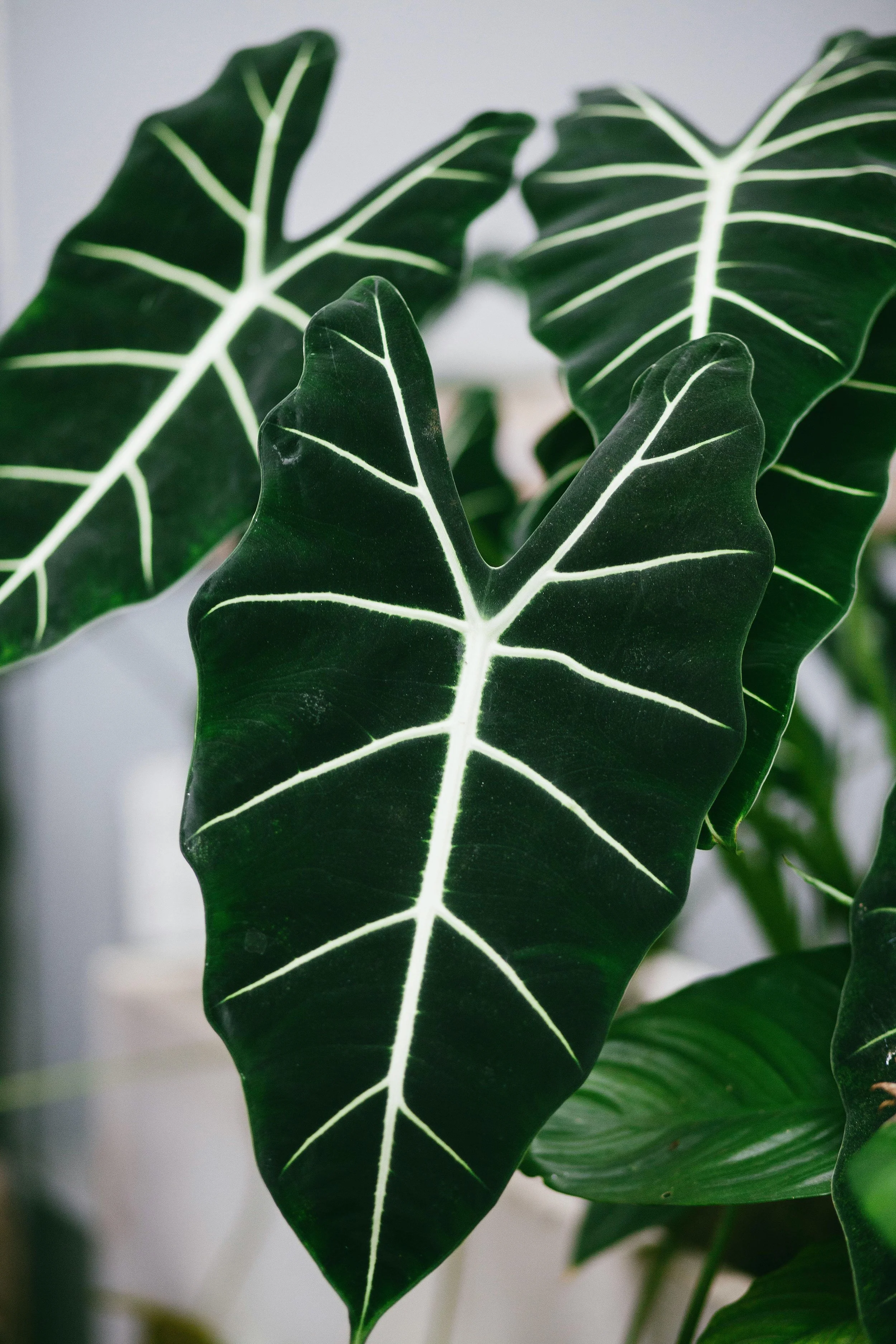
So, as we discussed before, Alocasias need higher humidity to combat their extra dry leaves. This can make them tricky to care for in our super dry environment. Luckily, I have figured out a system that helps them to thrive: Semi-Hydro!
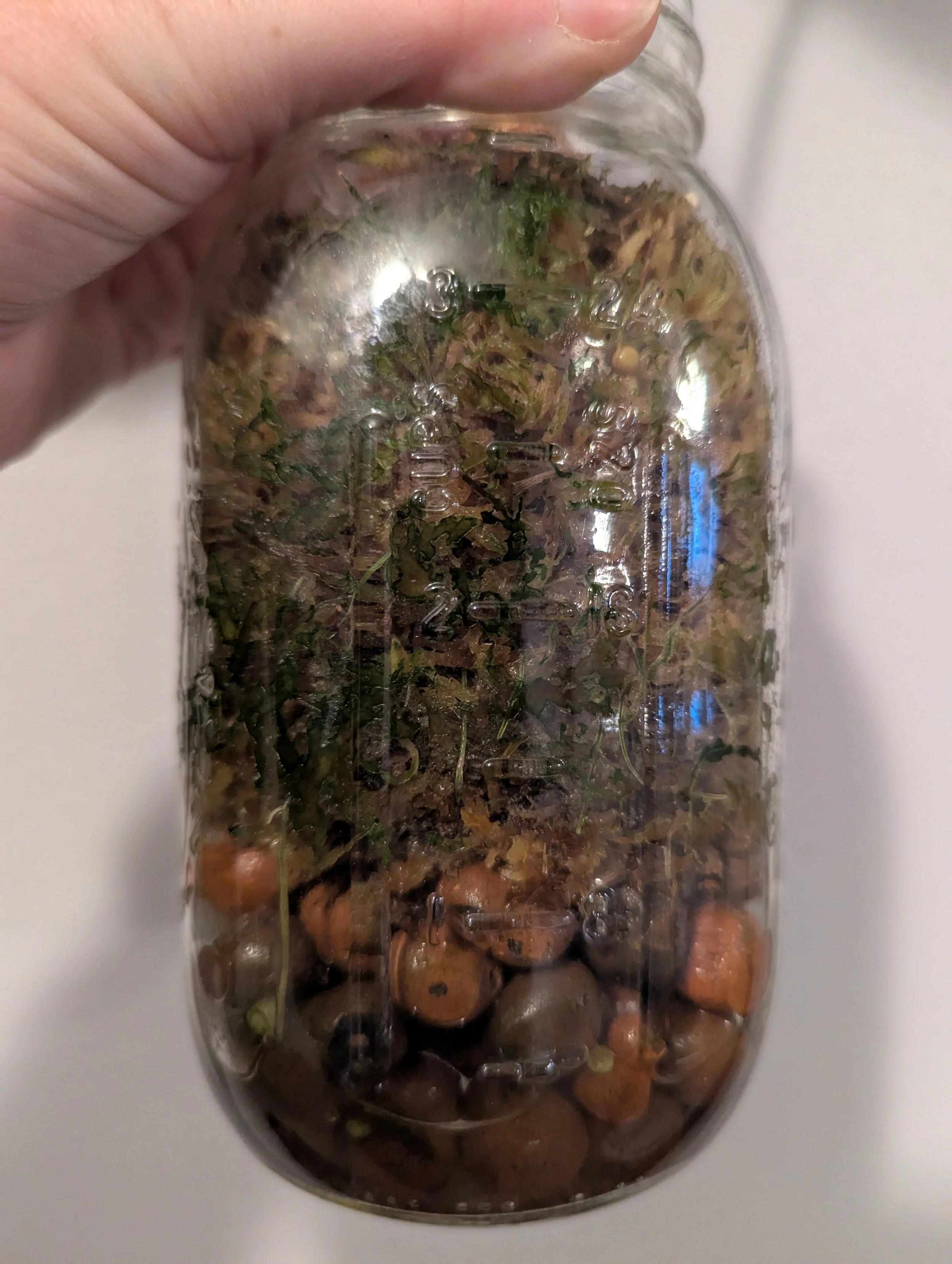
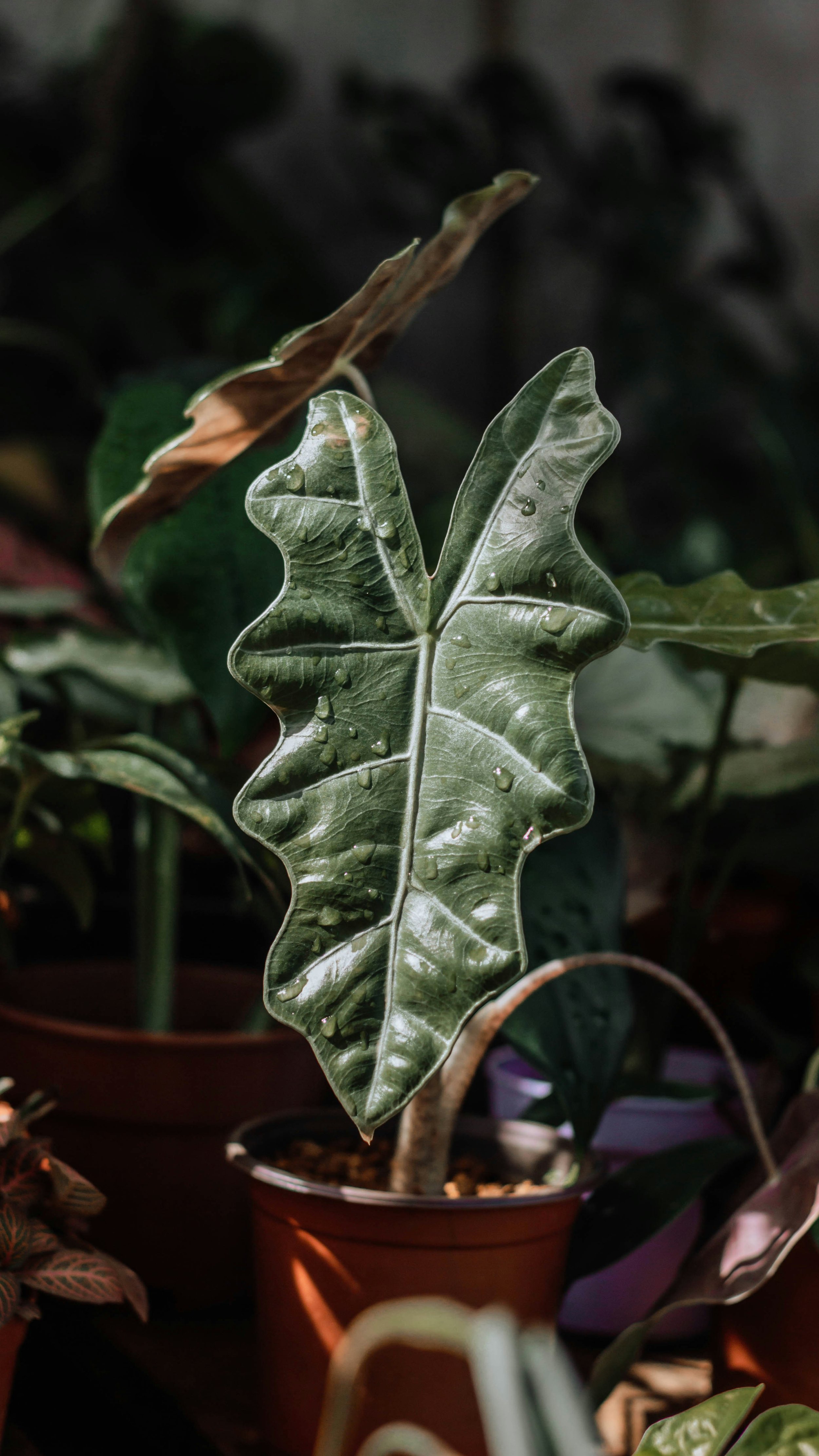
I plant all of my Alocasias in clear vases with Leca and Sphagnum Moss. This allows the plants to access all the water they need and maintain a humid environment directly around themselves. It also makes watering them super easy! (More of that to come)
Semi-Hydro: Materials
______________
To plant your Alocasias in Semi-Hydro, you’ll first need a couple of things - all of which can be found on Amazon:
Leca Balls
Sphagnum Moss
A clear, straight container with no drainage - like a Mason Jar or a Straight Vase
You’ll want a straight container because if you ever need to repot your Alocasias, it will come out easier. Curved vases create a bottleneck and you will not be able to get the roots out without breaking the container.
You will also want to make sure that your Sphagnum is moist. I usually fill up a bowl with water and dunk my moss in there. When I am ready to use it, I pull a chunk out of the bowl and ring it out like a washcloth. I don’t want it to be dripping, but still want it moist.
Once all these things are ready, you’re all set to start planting!
Semi-Hydro: Procedure
______________
Once you have all your materials ready, follow these easy steps to plant your Alocasias:
Fill up the bottom third of your container with Leca. This will be the drainage layer.
Take the roots of your plant and wrap them in moist Sphagnum moss.
Slide the wrapped root ball into your container. You’ll want the base of the plant to sit about 1/2 inch below the rim of your container. If you need to, place more Sphagnum on top of the Leca before placing the plant in to make sure the Alocasia rests at the proper height.
Water everything in and you’re set! (See the next section for more info on watering.)
If you ever need to repot an Alocasia follow these same steps in a container that is a size up from the last - either wider or longer or both.
Watering Semi-Hydro
______________
To water an Alocasia growing in Semi-Hydro, simply pour water into the top of your vessel until the it pools in the bottom Leca layer. You want to make sure that layer is full, but don’t let the water touch your moss layer or it could lead to rot. I fill mine to just under where the moss meets the Leca.
Note: As we talked about in our Pest section, make sure to splash some water on your leaves to help keep them healthy and pest free!
Alocasias & Soil
______________
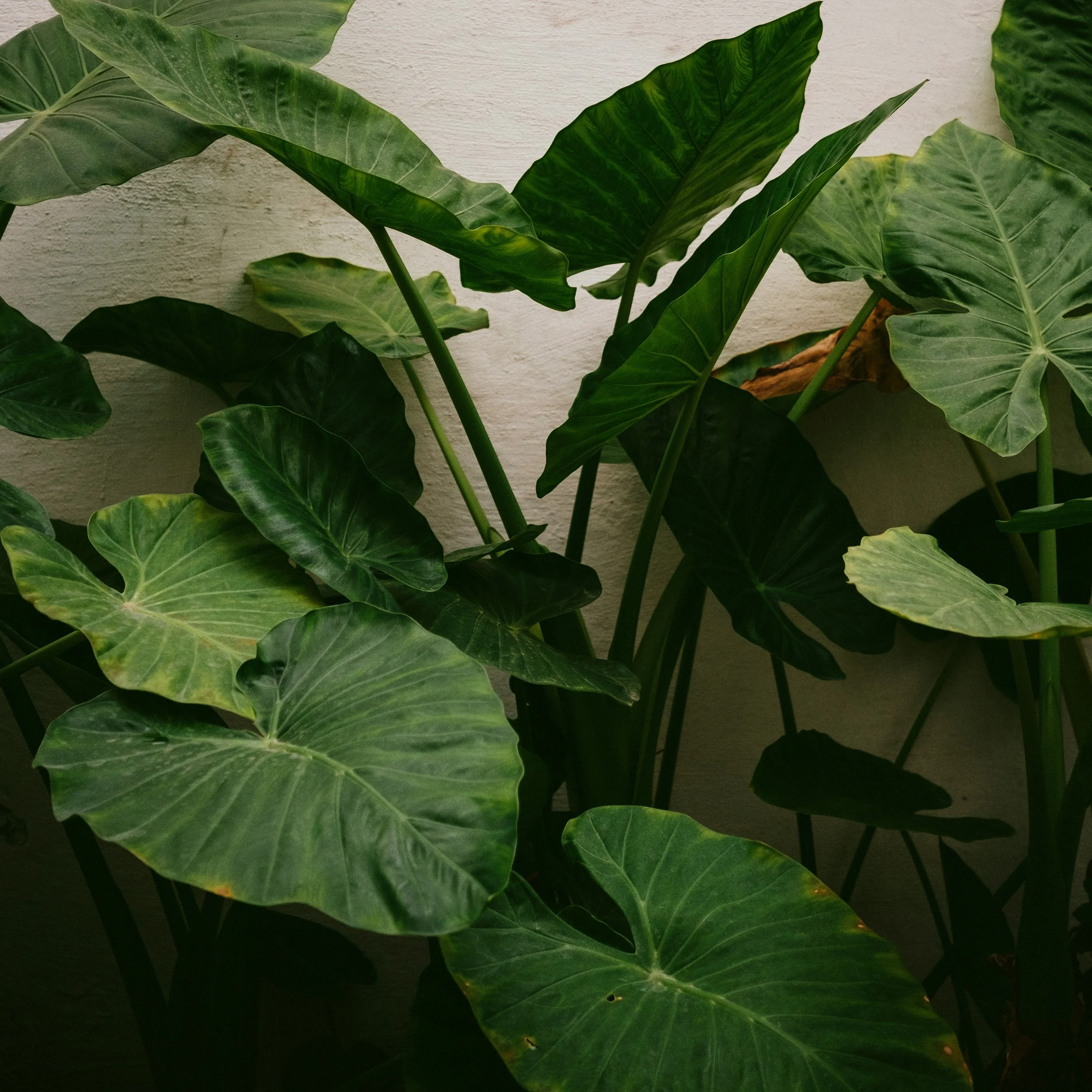
There are some Alocasias that do well in soil.
The Alocasias I have found that can still thrive in soil are the Alocasia ‘Regal Shield’ and the Alocasia cuprea (specifically Alocasia cuprea ‘Red Secret’).
Now, I have not tried every variety of Alocasia in soil. But all of the Alocasias I buy start in soil and, if they don’t do well, I transfer them to Semi-Hydro.
So, you are welcome to see how your Alocasias do in soil first. If they seem to be doing well and you can keep up on the watering, you are welcome to keep them in soil! Why change a system that’s working?
But, if they don’t seem to hold up in soil, I would transfer them to Semi-Hydro. All the Alocasias I have done this with are so much happier and I would 100% recommend!
Our Varieties
______________
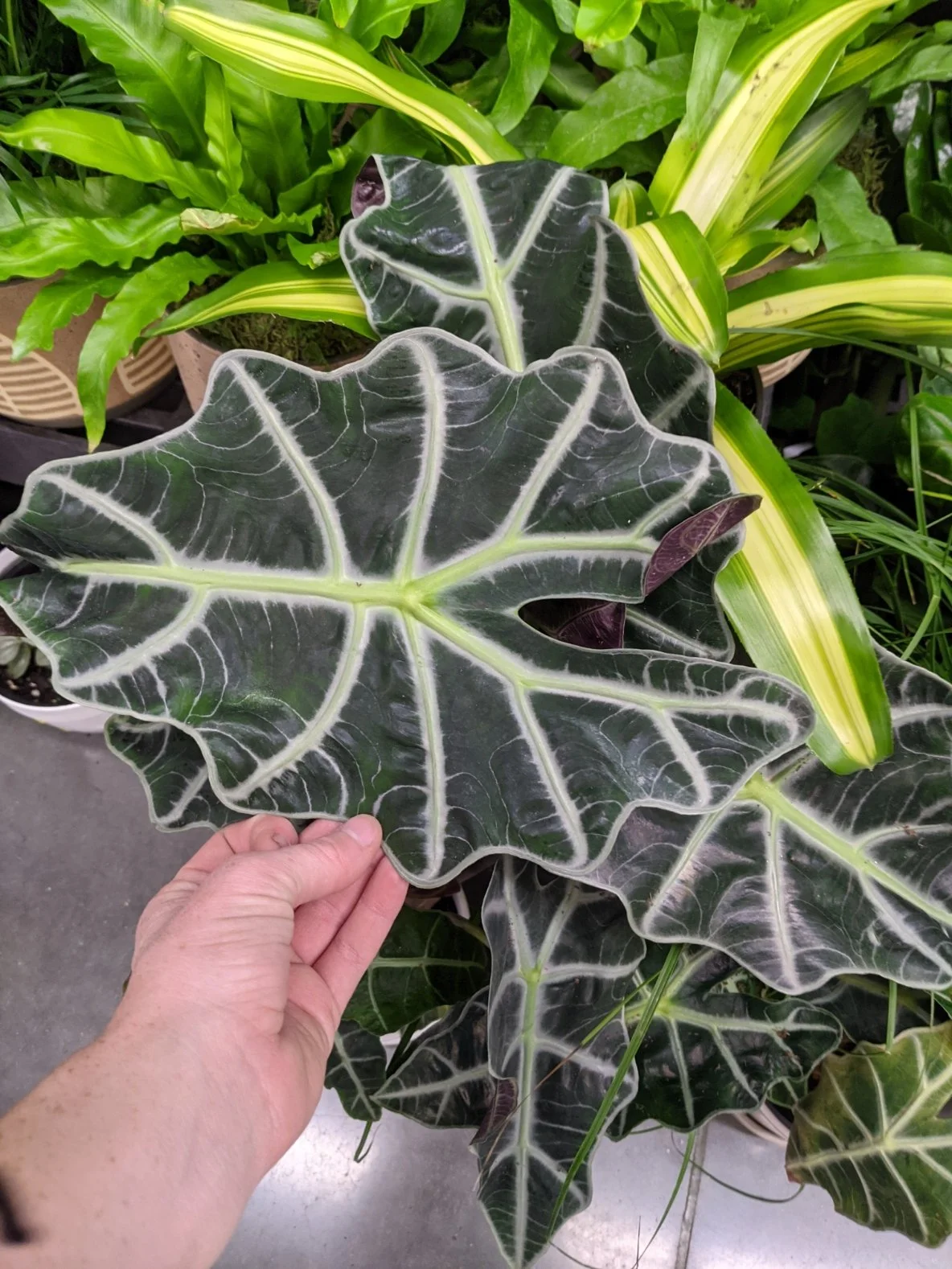
Azlanii
Frydek Variegata

Melo
Pink Princess
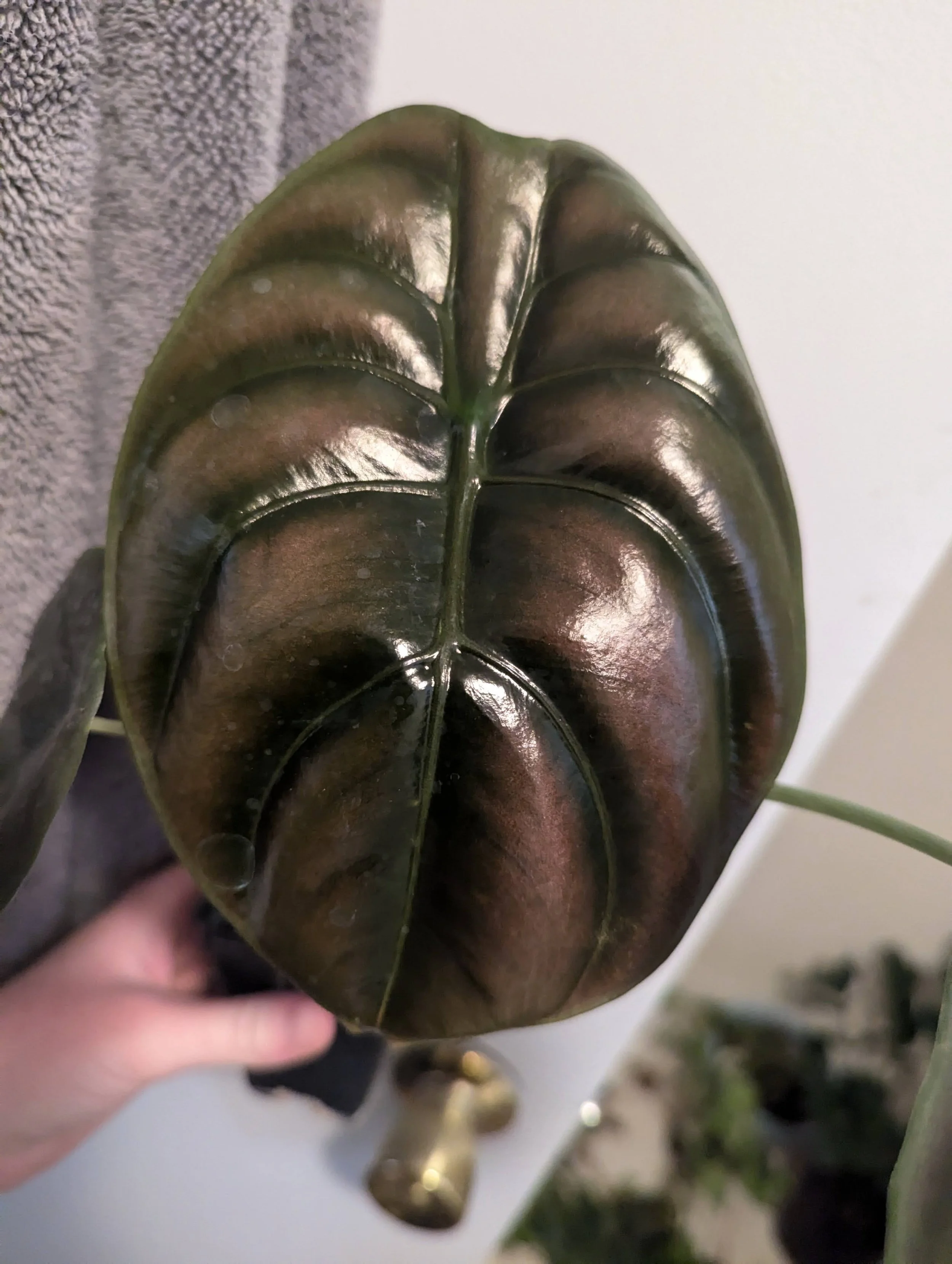
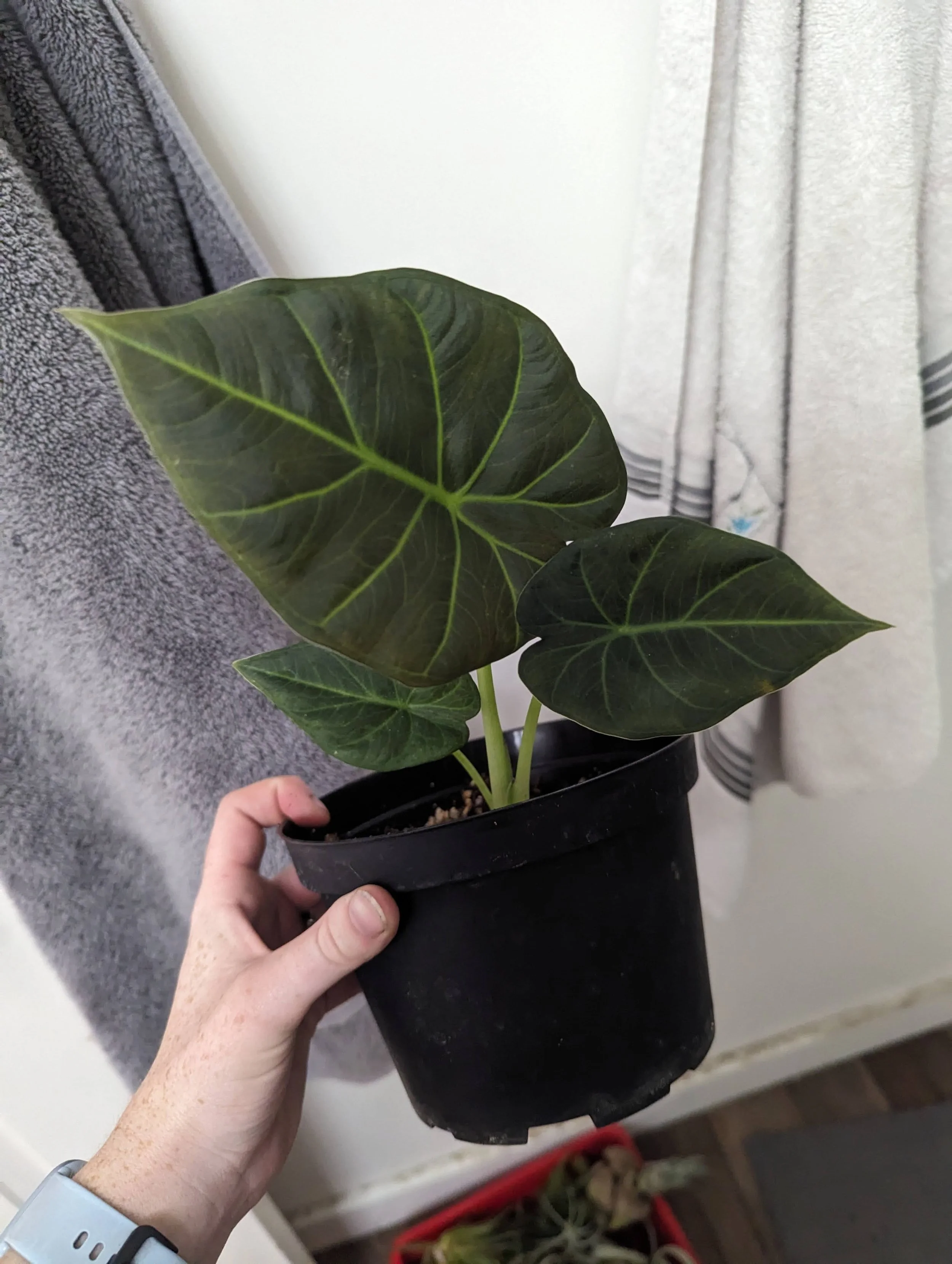
Red Secret
Regal Shield
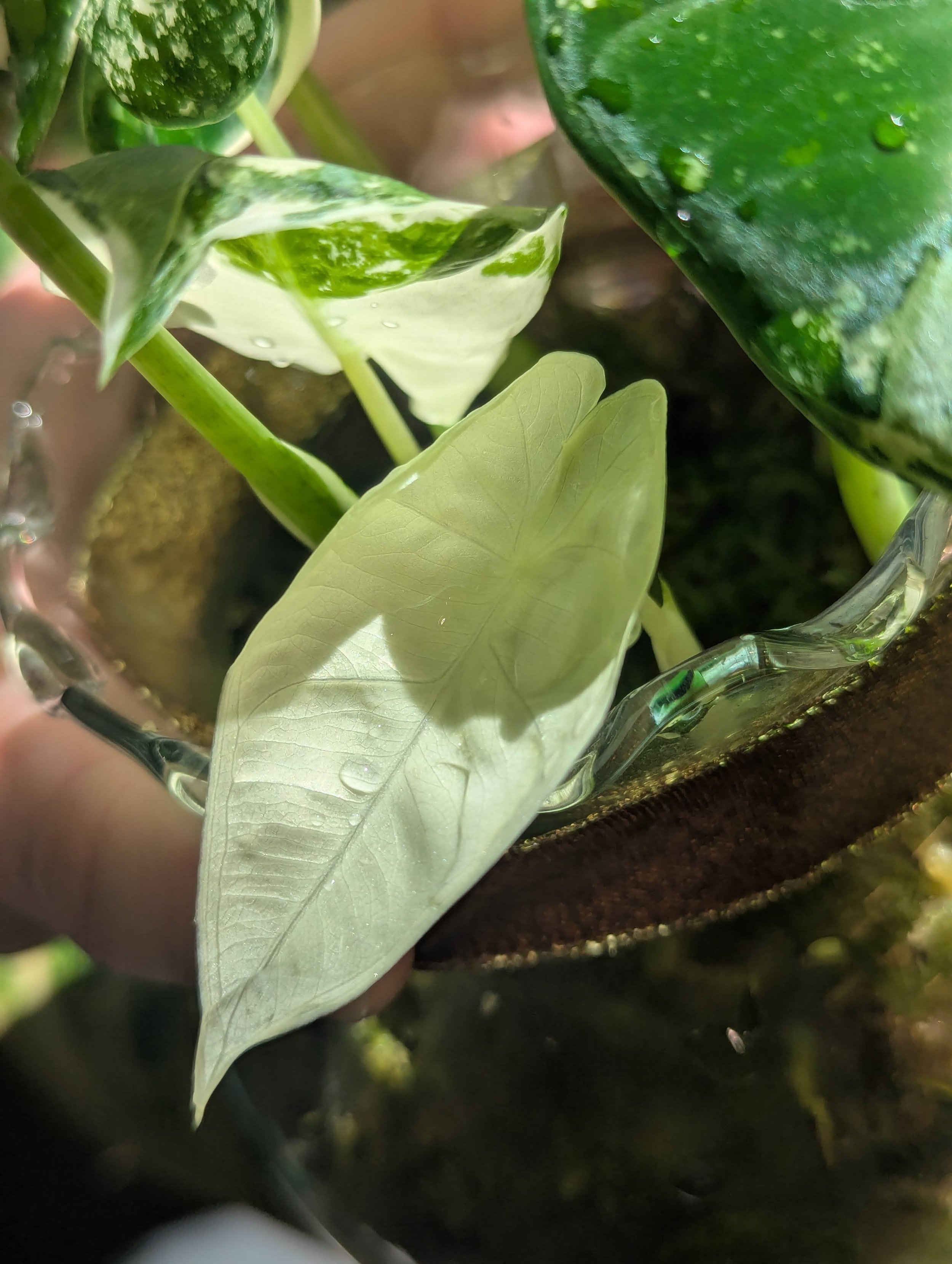
Maharani
Longlobia
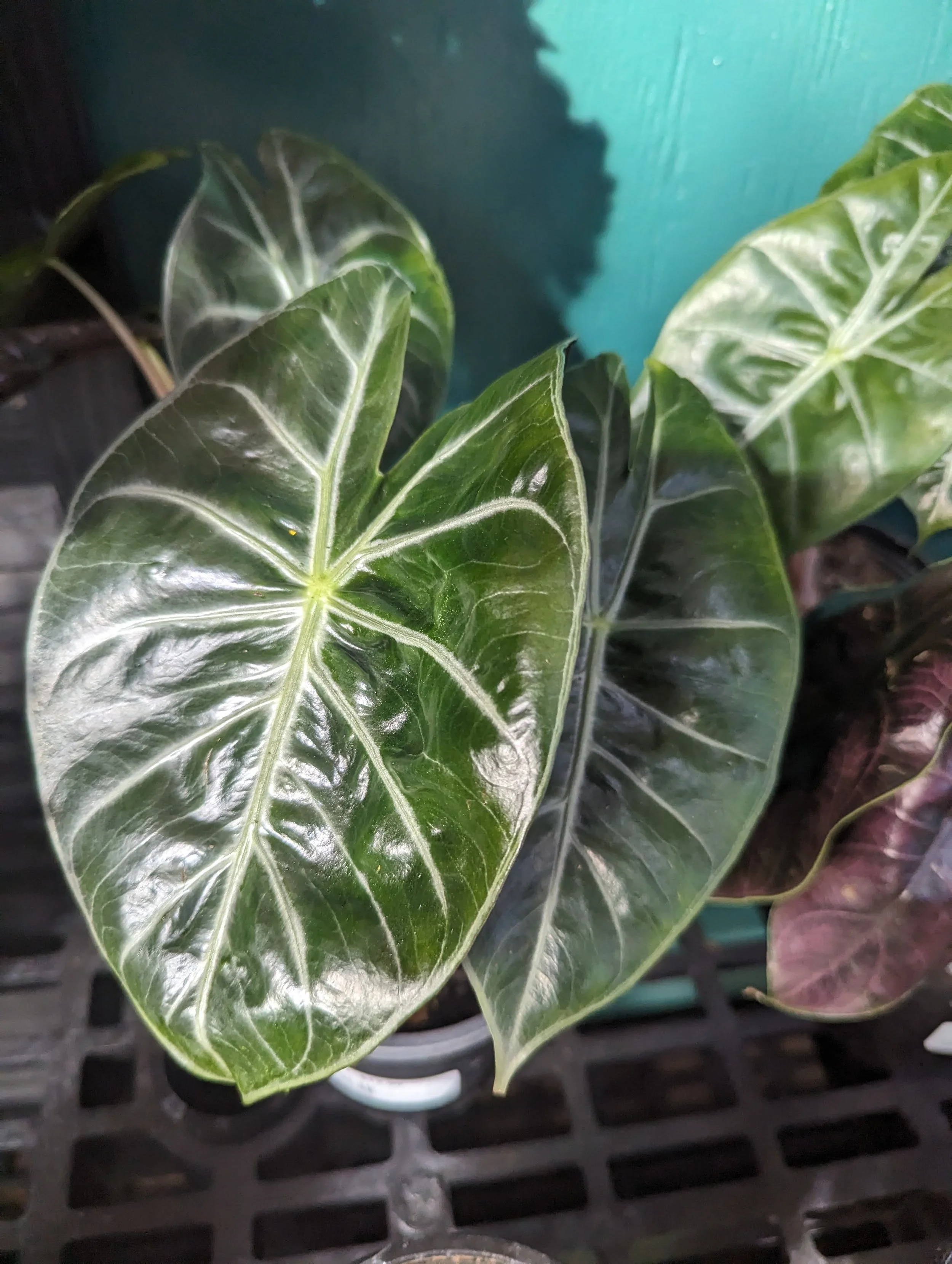
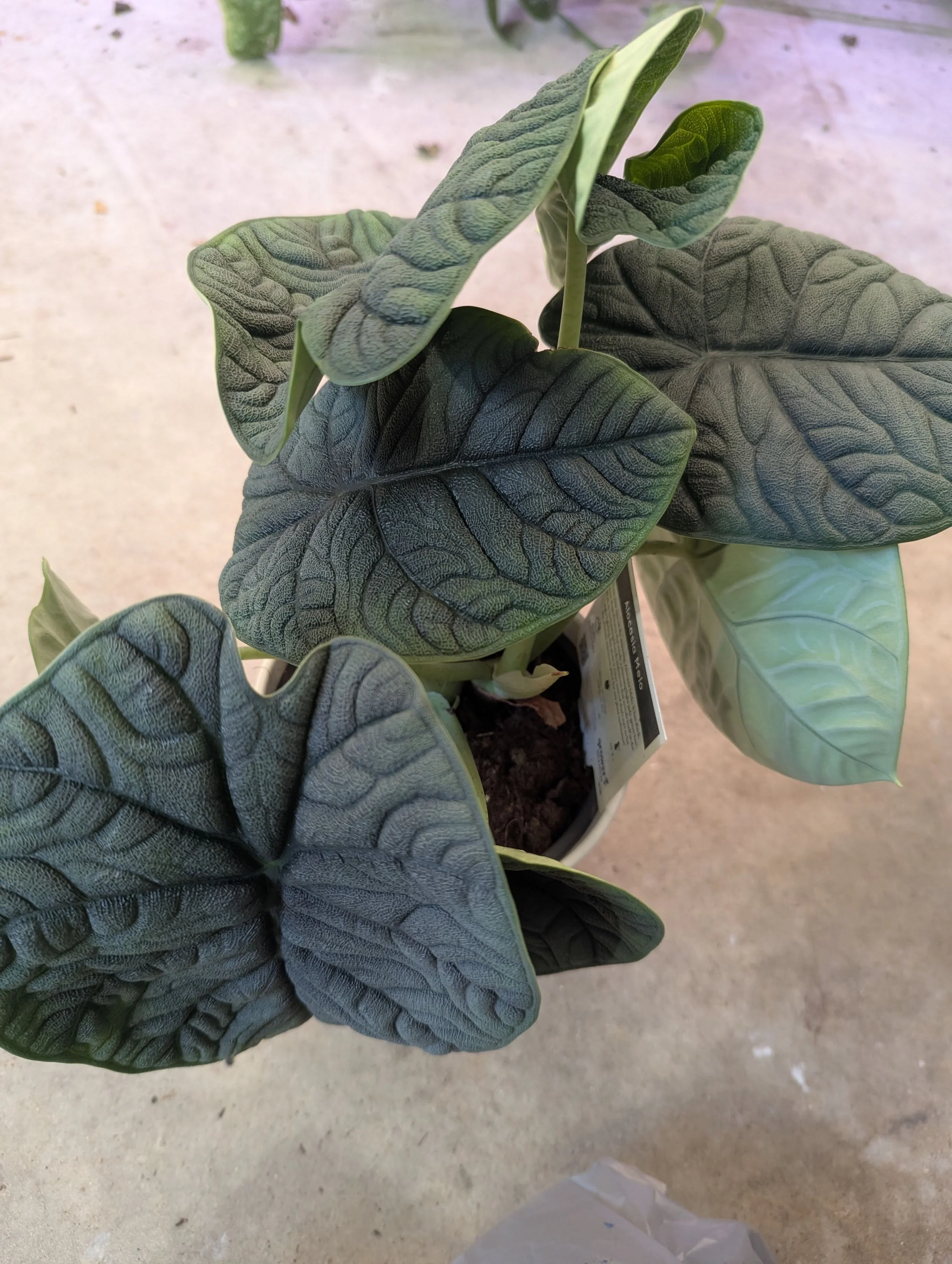
Purple Passion
Polly
Silver Dragon
For more Care Tips:
Visit my General Care Tips page to discover more tips for:
Light Levels - Watering Frequency - Fertilizing - and More!